President John Dramani Mahama has issued a stark warning about the devastating environmental consequences of deforestation, cautioning that if Ghana’s forests are destroyed, the nation’s rivers will inevitably dry up.
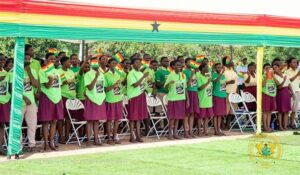
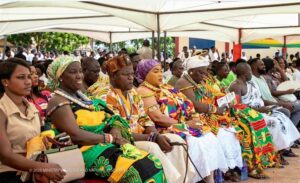
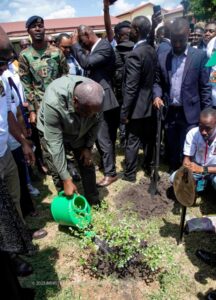
Speaking during the launch of the “One Child, One Tree” initiative at the Atomic Cluster of Schools in Kwabenya on World Environment Day 2025, President Mahama underscored the urgent need to safeguard Ghana’s ecological systems, particularly its forests and rivers, which are under severe threat due to illegal mining and logging.
“If we destroy our forests, our rivers will also dry up. This fight is very important so we can hand over a healthy environment to our children and generations yet unborn,” he declared, calling for nationwide action to protect the country’s natural resources.
The President revealed that nine forest reserves had become inaccessible due to the activities of heavily-armed illegal miners, but thanks to a coordinated security and ministerial response, eight of those red zones have been reclaimed. Work is ongoing to restore the final reserve, along with 44 others currently under threat.
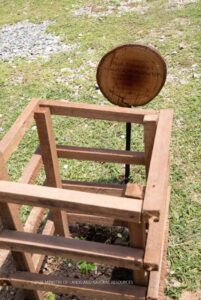
To further Ghana’s environmental commitment, President Mahama announced plans to issue a directive banning the use of wood for school furniture. “We can’t be planting trees and cutting them down at the same time,” he said. Instead, schools will soon use desks and chairs made from recycled plastic or metal.
The initiative aligns with the government’s broader sustainability agenda, including the “Tree for Life” reforestation campaign and intensified efforts to combat illegal small-scale mining, also known as galamsey.
He lauded the collaboration between the Ministry of Environment, Science, Technology and Innovation (MESTI), the Ministry of Lands and Natural Resources, and the security services for their ongoing efforts to protect Ghana’s environment.
The “One Child, One Tree” programme is designed to instill environmental stewardship in children by involving them in tree planting and nurturing activities. The initiative is part of a long-term vision to build a greener, more resilient Ghana.