The National Anti-Illegal Mining Operations Secretariat (NAIMOS) has destroyed 1,970 chanfang machines and 863 makeshift structures used for illegal mining as part of an intensified nationwide crackdown on activities threatening Ghana’s rivers, forests and agricultural lands.
The operations, conducted between June 13 and September 30, 2026, also resulted in the recovery of 74 firearms and 551 rounds of ammunition, alongside the seizure of excavators, water pumps, vehicles and other equipment used to support illegal mining.
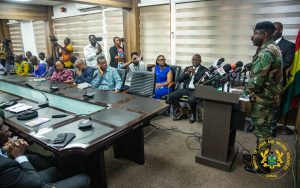
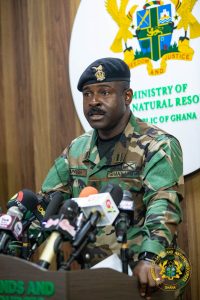
Colonel K.S. Appiah, Director of Operations at NAIMOS, disclosed these figures at a media briefing on Thursday, October 22, 2026, where he outlined the Secretariat’s operational achievements and announced plans to strengthen the protection of critical water bodies and strategic forest reserves.
He said NAIMOS had undertaken 738 operational activities over the period, covering a cumulative distance of 50,662 kilometres through reconnaissance, mobile and riverine patrols, raids, special operations and community engagement.
Colonel Appiah explained that the operations were designed not only to disrupt illegal mining activities but also to dismantle the networks providing financing, equipment and logistical support to the operators.
He said suspects apprehended during the operations had been handed over to the appropriate authorities for investigation and further action.
According to him, the Secretariat’s priority is to ensure that enforcement activities translate into lasting control of affected areas rather than temporary disruptions that allow illegal miners to return after security teams withdraw.
NAIMOS Expands Operations Across Mining Hotspots
Colonel Appiah said NAIMOS had extended its operational presence across the Western, Western North, Central, Eastern and Ashanti regions, as well as the Bono and Ahafo, Savannah and Northern operational areas.
The operations are supported by Forward Operating Bases (FOBs) and Temporary Operating Bases (TOBs), which enable personnel to maintain pressure on established illegal mining hotspots, respond to emerging threats and protect areas cleared during previous interventions.
In the Western Region, operations targeted illegal mining along the Ankobra and Butre river systems and across the Wassa and coastal mining belts.
Enforcement activities also covered underground mining sites in the Mpohor area, plantation areas in Ahanta West and encroachment along railway corridors.
The Ghana Navy’s Special Boat Squadron supported operations along difficult-to-access sections of the Ankobra River, helping to disrupt chanfang activities and destroy pumping equipment and mining camps.
In the Western North Region, intelligence-led operations along the Tano and Bia rivers targeted illegal mining sites and their supporting logistics in the Aowin, Suaman, Juaboso, Bodi and Sefwi areas.
In the Eastern Region, sustained operations around Kyebi and along the Birim River and its tributaries sought to disrupt illegal river mining and protect the wider Atewa landscape.
The Ashanti Region also witnessed coordinated enforcement activities across Amansie, Obuasi and adjoining mining areas, while patrols along the Offin River maintained pressure on river-based illegal mining.
In the Central Region, operations along the Pra River corridor at Hemang disrupted a concentration of chanfang machines, water pumps and makeshift structures. Joint operations in the Assin area also strengthened collaboration between security and forestry institutions.
Meanwhile, enforcement in the Bono and Ahafo operational area targeted illegal mining equipment, camps and logistical support at Amomaso, Asuotiano, Dormaa Akwamu and adjoining locations.
In the Savannah Region, operations at Wakawaka and Kpali along the Black Volta corridor resulted in the recovery of excavators, firearms, ammunition, motorcycles, vehicles, mining equipment components and logistical supplies.
Colonel Appiah said the suspects and exhibits recovered during the operations had been transferred to the appropriate authorities for investigation.
He added that NAIMOS had also conducted operations against illegal sand winning and stone mining to protect land, water bodies and communities from destructive extraction.
Operation WATER SHIELD to Strengthen River Security
As part of efforts to consolidate its gains, NAIMOS plans to intensify river protection under the next phase of Operation WATER SHIELD.
Colonel Appiah said the strategy would focus on preventing illegal miners from returning to areas cleared during enforcement operations.
Along the Ankobra River, NAIMOS plans to deploy a dedicated riverine unit in coordination with the Ghana Navy following operations by the Navy’s Special Boat Squadron.
The planned deployment is expected to sustain patrols, deter the return of chanfang operators and maintain security along vulnerable sections of the river.
Along the Offin River, planned operations will combine ground and riverine interventions to disrupt illegal mining, secure priority river sections and prevent renewed occupation.
Colonel Appiah said the Offin formed part of the wider Pra River basin, making its protection important to downstream water security.
He added that NAIMOS would sustain operations along the Birim River and coordinate interventions across other priority river systems to prevent illegal mining from shifting to neighbouring tributaries and source areas.
He emphasised that effective river protection required a basin-wide approach rather than isolated interventions targeting individual sections.
Atewa Forest Reserve Targeted Under Operation GREEN SHIELD
NAIMOS is also preparing to implement Operation GREEN SHIELD, a planned forest protection intervention targeting priority areas within the Atewa Forest Reserve.
Colonel Appiah said the operation would seek to disrupt illegal mining, deny operators renewed access and establish conditions for the sustained protection of the strategic watershed.
The planned intervention will follow three stages: clearing and disrupting illegal mining activities, holding and stabilising cleared areas, and transitioning protection responsibilities to the appropriate permanent institutions.
Specially trained personnel are expected to conduct forest operations, followed by sustained patrols and surveillance to prevent illegal miners from returning.
The ultimate objective is to secure priority hotspots and progressively transfer routine protection responsibilities to Forestry Commission guards.
Colonel Appiah said protecting Atewa was central to the wider effort to safeguard river sources and promote environmental recovery.
He stressed that operational gains must be sustained through permanent, agency-led protection rather than relying indefinitely on intensive security deployments.
Government Commits Logistics Support
Colonel Appiah said sustained enforcement required adequate logistics, reliable communications, serviceable boats and effective support for personnel deployed across difficult terrain.
He disclosed that the government, through the Ministry of Lands and Natural Resources, had committed to providing the logistics and funding needed to sustain NAIMOS operations.
He further emphasised the need to intensify efforts against the financiers, equipment suppliers and other facilitators who enable illegal mining activities.
According to him, intelligence gathering, field enforcement and investigations must work together to ensure that evidence gathered during operations translates into effective legal action.
He also reaffirmed his commitment to professionalism, integrity and accountability, insisting that personnel must operate within their lawful authority, preserve evidence and treat suspects lawfully.
Colonel Appiah said NAIMOS would measure its success not only by the number of operations conducted or equipment destroyed, but also by whether cleared areas remained secure, illegal mining declined, cases progressed through the justice system and measurable environmental recovery was achieved.
He added that the Secretariat would work closely with relevant environmental and water institutions to assess the impact of its operations.
Colonel Appiah Appeals for Public Support
The NAIMOS Director of Operations called on traditional authorities, district assemblies, landowners and residents to support the fight against illegal mining by providing credible information and helping to prevent renewed encroachment.
He also urged the media, civil society organisations and other stakeholders to promote accurate reporting and informed public scrutiny of the Secretariat’s activities.
Colonel Appiah warned that enforcement would continue against illegal miners and the networks sustaining their operations, particularly those polluting rivers, degrading forests, destroying farms and plantations, and damaging critical national infrastructure, including roads.
He expressed appreciation to the President, the Ghana Armed Forces High Command, the Minister for Lands and Natural Resources, the NAIMOS Steering Committee and Ministerial Advisory Board, as well as partner security and regulatory institutions, for their support.
He also commended deployed personnel and cooperating communities for their contributions to the ongoing operations.
Colonel Appiah said NAIMOS remained committed to consolidating its achievements through sustained river security, protection of strategic forests, disruption of illegal mining networks and the transition to enduring institutional protection