Bunso, Eastern Region — August 12, 2025 – The Eastern Regional Minister, Mrs. Rita Adeji Awatey, has reaffirmed government’s recognition of the vital role private schools play in delivering quality education across Ghana. She assured that the administration of President John Dramani Mahama is committed to deepening collaboration with the private sector to improve teaching, align curricula with 21st-century skills, and promote sustainability in education.
Speaking at the 2025 Private Schools Annual Educational and Leadership Summit in Bunso, themed “Transforming Education for a Sustainable Future: The Role of Private Education”, Mrs. Awatey stressed the importance of integrating environmental education into school curricula to nurture eco-conscious citizens. She encouraged private schools to lead by example, adopting sustainable practices and leveraging technology to ensure inclusive, quality learning for all.
The Minister disclosed that government has admitted 60 private schools into the pilot phase of the Free Senior High School policy and will continue to provide policy frameworks and infrastructure to foster creativity, innovation, and leadership among learners.
Executive Director of the Ghana National Council of Private Schools (GNACOPS), Obenfo Nana Kwasi Gyetuah, urged both government and parents to view education as the foundation of national progress. He emphasised that private education is not a competitor but a cornerstone of Ghana’s education system, bridging gaps in access and innovation.
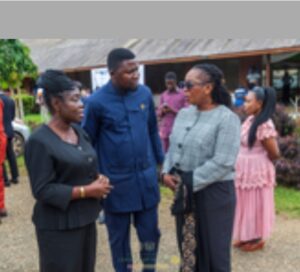
Mr. Gyetuah commended the government for recognising private education in national policies and statutory boards such as the National Teaching Council (NTC) and the National Schools Inspectorate Authority (NaSIA). He highlighted GNACOPS’ initiatives, including digital learning programmes, professional development for teachers, and the GNACOPS Vehicle Supply Partnership Initiative to improve school transport safety.
GNACOPS has also established seven operational units to promote sustainability, enhance competitiveness, and strengthen private education’s contribution to national development.
“Private education is not competition—it is completion. We are not parallel to the national education system; we are an integral part of it,” Mr. Gyetuah declared.

